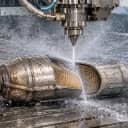
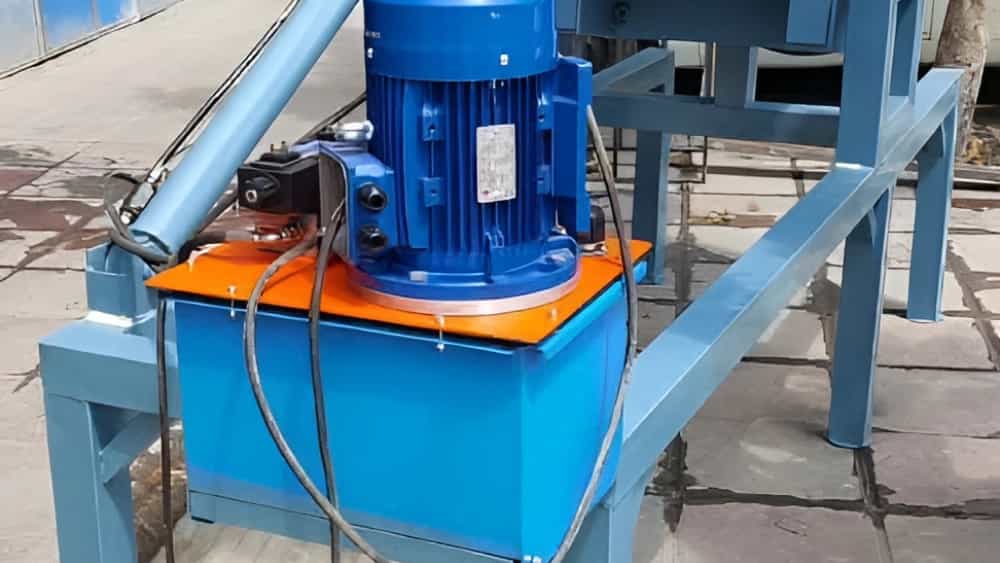
The price of exhaust catalyst cutting machine in Tehran market is calculated based on hydraulic drive system, jack tonnage, blade material and industrial chassis quality. This specialized equipment is designed to carefully open the outer shell of the car catalyst without breaking or pulverizing the ceramic grid containing precious metals. Changes in the rate of alloy steel, the quality of the jack sealing packing and the power of the electric motor are the main parameters of the fluctuation of the valuation of this device in the industrial centers of the capital.
Key factors determining the price of catalyst cutting equipment in the capital market
When buying exhaust precious metals recycling machines, it is a priority to carefully check the specifications of the materials used. The first influencing factor is the quality and power of the hydraulic unit. Machines that use standard high-pressure pumps, oil tanks equipped with accurate indicators and particle filtration have higher performance stability and directly affect the final price of the machine.
The second critical factor is the material and heat treatment technology of the blades. In the process of opening the exhaust shell, the blade must cut through the thick layer of iron and stainless steel without lip filling. The use of hardened alloy tool steels with high wear resistance ensures the durability of the blade and avoids repeated grinding and replacement costs. The thickness of the chassis plates and the final weight of the device is also the third factor; Light machines suffer from warping and loss of cutting jaw accuracy under heavy loading, while heavy machined chassis absorb vibration and improve mechanical durability of the system.
The effect of the quality of control valves and hydraulic system
Using durable manual valves or electric valves equipped with load-sensing valves increases operator safety and blade stopping accuracy. In scrap workshops, it has been seen many times that pressure fluctuations in poor quality cylinders cause shocks and destruction of catalyst cells, so modular hydraulic systems are worth a higher investment.
The role of heavy industrial chassis in long-term depreciation
If the bottom plates of the machine are welded without stress relief and with low thickness, they will change the angle of the jaw after several thousand working cycles. This imbalance leads to uneven wear of the blade and oiling of the jack packings.
Field comparison of portable hydraulic devices with fixed workshop cutting lines
There are two common structural models in Tehran's exhaust recycling equipment market to respond to the needs of workshops. Fixed workshop models with high-tonnage jacks and standard movement course are able to hold and cut in half all kinds of heavy catalysts, minibuses and dual catalysts of imported cars. The stable chassis of these models allows continuous work in consecutive shifts without overheating the hydraulic oil.
On the other hand, lighter systems with less footprint are the choice for service garages, MOTs and mobile scrap buyers. Although the initial price of these machines is lower due to the use of more compact parts, the limitation of hydraulic power in cutting multi-layered and thick shells is one of their operational disadvantages. According to field evaluations in car scrapping companies, units that have a high processing volume, by choosing industrial standing models, significantly reduce their time efficiency per piece.
Optimizing the catalyst recycling process and preventing the loss of ceramic soil
The fundamental purpose of using a specialized cutting machine is to extract the catalyst soil with the least possible waste. Passenger and heavy vehicle catalysts contain valuable amounts of platinum group metals including rhodium, palladium and platinum. Traditional methods such as the use of hand mills, sledgehammers or wind demolition hammers cause severe crushing of the ceramic block, pulverization of cells and scattering of dust containing precious elements in the workshop space.
Hydrocutting engineered devices, by applying continuous and hydraulically controlled pressure, separate the edges of the exhaust metal cover without introducing sharp mechanical stress to the inner core. This will make the honeycomb core come out in a uniform and healthy way. Preventing the fall of suspended particles, in addition to maintaining the respiratory health of the operator, prevents the weight deficit of extracted metals in the analysis stage and laboratory analysis and maximizes economic efficiency.
Restraint of compressive shock and partial core exit
Adjusting the course of the hydraulic jack allows the blade to penetrate exactly to the edge of the metal shell and stop without piercing the ceramic substrate. This work maintains the stability of the weight of the load delivered to the melting furnaces.
Reducing safety risks and hazardous dust production
Removing sparks and pleats from grinding stones increases the safety factor of waste warehouses that store flammable materials and creates a standard working environment.
Technical parameter | Heavy workshop hydraulic machine | Semi-industrial portable cutting machine |
type of drive system | three-phase/heavy single-phase industrial hydraulic power pack | mini hydraulic unit or compact hand pump |
blade material and alloy | hardened wear-resistant tool steel | spring steel or normal improved alloy |
shell cutting ability | exhausts Double steel, cast iron and heavy vehicles | Thin exhausts of galvanized sheet and light iron |
Catalyst soil inhibition rate | Maximum without crushing the ceramic substrate | Moderate with possibility of fracture in local pressures |
Chassis condition | Grids and rigid plates without vibration | Light profile with portability Manual |
Cutting cycle speed | Continuous, suitable for high-pressure work shifts | Intermittent, requires stopping for oil cooling |
The benefits of ordering and buying directly from a local manufacturer in Tehran
Direct supply of hydraulic machinery from manufacturing centers in Tehran brings outstanding structural and economic advantages. First, the elimination of middlemen prevents the creation of a bubble and an unrealistic increase in the final price. The buyer directly checks and matches the manufacturer's material, jack alloy, electric motor brand and the quality of hydraulic hoses with the manufacturer.
The more important point is quick access to support services, supply of spare parts and periodic sharpening of blades. Due to the constant pressure and rough operation of hydraulic machinery in the recycling industry, access to a parts maker to fix possible leaks or receive a spare blade within a few hours in Tehran prevents the production line from sleeping and stopping the daily transactions of the workshop. The possibility of customizing the dimensions of the cutting opening, increasing the tonnage of the jack according to the need to cut the exhaust of diesel cars, are other possibilities that are only possible through direct interaction with the manufacturer.
Economic justification and rate of return on investment in car scrap workshops
Investment in mechanized exhaust shell cutting equipment is not a permanent cost but a driver of operational profitability. By improving the separation speed from 10 minutes with manual tools to a few seconds with hydraulic mechanism, the daily processing power of the workshop grows several times. This acceleration brings the possibility of purchasing higher volumes of waste catalysts and instant settlement of orders.
From another point of view, preventing the catalyst soil from pulverizing by a few grams per converter, on a weekly scale, is equivalent to maintaining a large volume of the most precious industrial metals. The calculation of the value of the soil that has not been lost shows that the cost spent to buy a suitable hydraulic device within a short period of time is amortized from the place of preventing the waste of raw material and reducing the wages of the labor force and enters the net profit margin.